Why Garage Door Repair Minnesota Homeowners Need a Seasonal Checkup
Living in Minnesota Means Your Garage Door Takes a Beating
If you own a home in Minnesota, you already know the weather does not mess around. From subzero winter mornings to humid summer afternoons, your garage door endures temperature swings that can warp steel, crack seals, and freeze moving parts. That is why regular attention to garage door repair minnesota is not just about convenience, it is about keeping one of the largest moving parts of your house safe and functional year-round.
The typical residential garage door lifts hundreds of times each month. Over time, the mechanical components wear down. Springs stretch, rollers grind, and the opener struggles to lift the door evenly. In a climate like the Twin Cities, where freeze-thaw cycles shift concrete slabs and wood frames, the door's track alignment can go out of true. A door that once glides up smoothly may start binding, scraping, or refusing to open at all.
Common Culprits That Need Attention
Springs and Cables
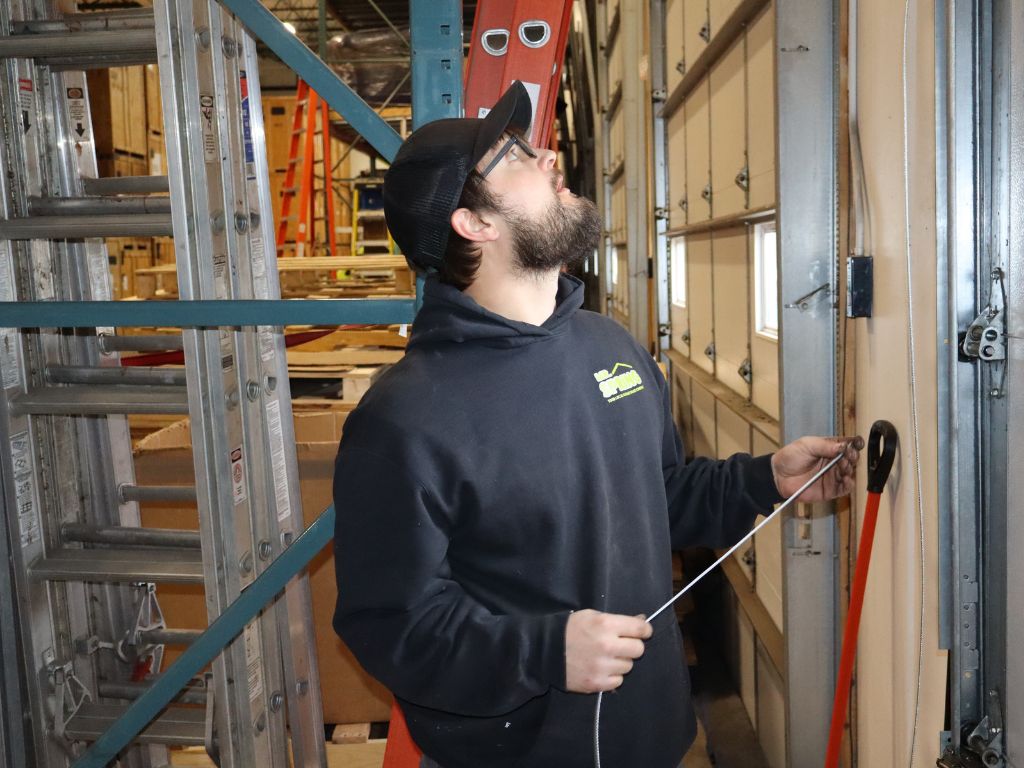
The torsion spring is the workhorse of any modern garage system. It counterbalances the door's weight so the opener does not have to lift the full load. When a torsion spring loses tension or snaps, the door can slam shut or become impossible to open manually. Spring replacement is a job that requires precise adjustment, too much tension and the door is dangerous, too little and it will not stay up. In Minnesota, extreme cold makes steel springs brittle, so a sudden break is more likely in January than in July.
Track and Rollers
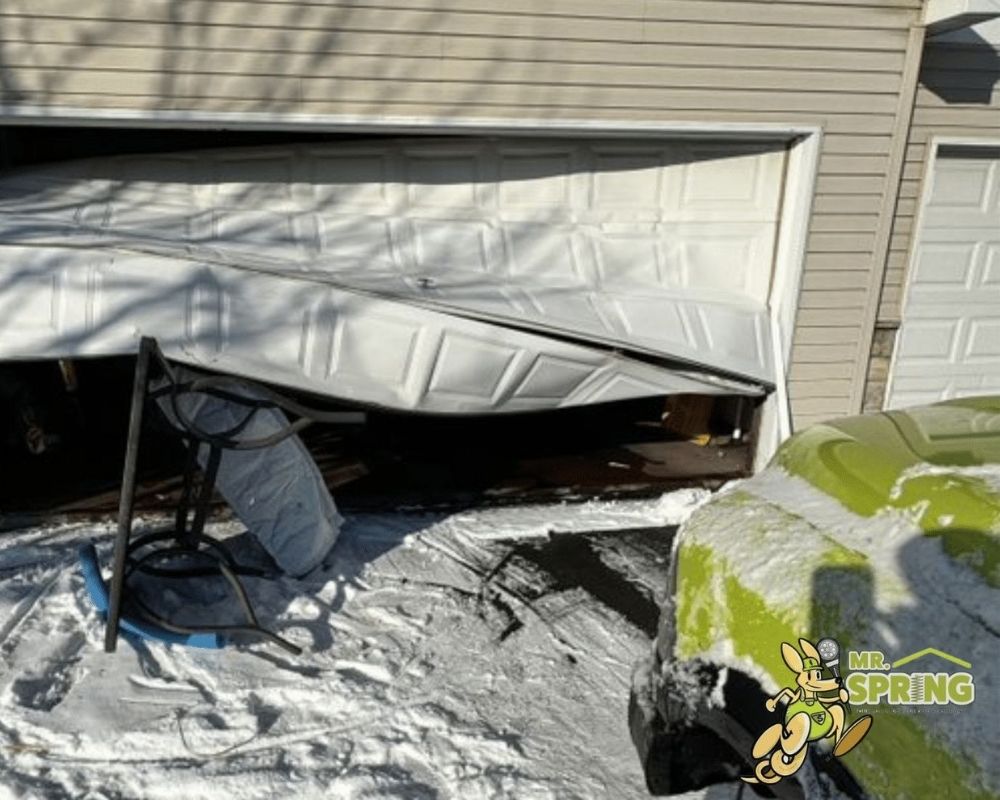
Track alignment may seem minor, but it affects everything. If the horizontal or vertical tracks shift, the door will bind or ride unevenly. Rollers wear down and sometimes crack, especially on older doors. A roller that catches on the track can cause the door to jump or derail. Checking roller condition and track alignment should be part of any routine garage door repair minnesota visit.
Opener and Safety Sensors
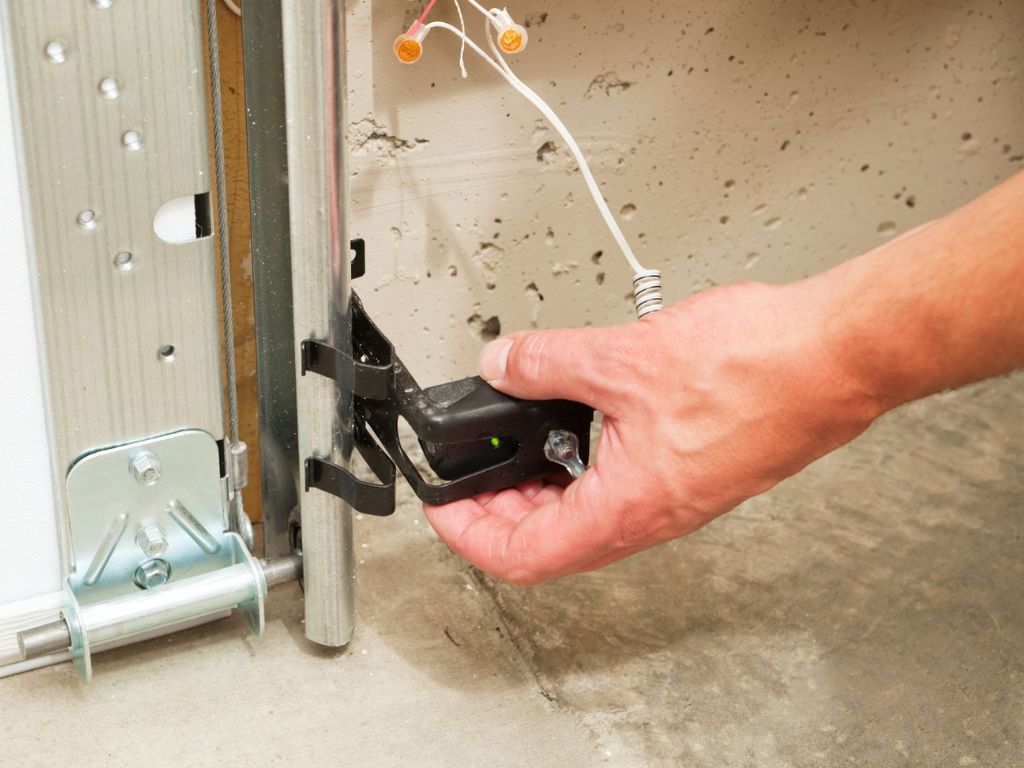
The garage door opener is a motor and gearbox that also needs maintenance. Brands like LiftMaster, Chamberlain, Genie, and Ryobi all produce reliable units, but no opener lasts forever if it is forced to lift a misbalanced door. Safety sensors are another critical component. These small devices sit near the floor on each side of the door and send an invisible beam across the opening. If something blocks that beam while the door is closing, the opener reverses direction. A misaligned sensor can cause the door to reverse for no reason, or worse, fail to reverse when it should. Cleaning the sensor lenses and checking alignment is a simple step that many homeowners overlook.
Seasonal Factors Unique to Minnesota
Minnesota winters bring snow, ice, and road salt. Salt can corrode metal tracks, hinges, and opener parts if it gets inside the garage. Ice can freeze the door to the ground or build up in the track channels, making the door stick. Spring thaw can leave puddles on the garage floor that rust the bottom panel of an uninsulated steel door. An insulated steel door helps here, but the weather seal around the bottom and sides still needs to be intact to keep out moisture and drafts.
Summer humidity in Minnesota is no joke either. Moisture condenses on metal parts, promoting rust on rollers, springs, and opener chains. A door that was well-lubricated in May can start to squeak and bind by August. Using a silicone-based lubricant on the track and rollers helps reduce friction without attracting dust and grit like oil-based products do.
Door Materials and Construction
Most residential doors in Minnesota are steel, often with a polyurethane or polystyrene core for insulation. Brands like Clopay, Amarr, and Wayne Dalton offer models that range from basic single-layer steel to thickly insulated doors with weatherstripping. An older uninsulated door may feel flimsy and drafty. Replacing it with an insulated steel door improves energy efficiency and reduces noise, but even a new door needs proper installation and periodic adjustment.
Wood doors were common decades ago but are rare now because they rot, warp, and require frequent painting. Fiberglass and aluminum doors exist but are less common in residential applications. The choice of door material affects how often you need service and what kind of repairs are possible. A dented steel door can sometimes be straightened, but a cracked panel usually means replacement.
Opener Compatibility and Features
Modern garage door openers from brands like Chamberlain, LiftMaster, and Genie include features like battery backup, Wi‑Fi connectivity, and soft-start/soft-stop motors that reduce wear. If you have an older opener, it may lack safety sensors or a manual release that meets current codes. Upgrading to a newer model can improve safety and convenience. But compatibility matters: a Genie opener may not work well with a door that has a different brand's rail system or spring configuration. Stick with the same brand family or consult a professional if mixing components.
Ryobi and Craftsman also make openers, often with modular designs that allow you to swap out the motor or gear assembly without replacing the whole unit. That can be a cost-effective choice for homeowners who plan to keep their door for many years. Still, the opener is only as good as the door's balance. A heavily unbalanced door will burn out any opener quickly.
Signs You Need Professional Help
Some garage door problems are easy to spot. If the door makes grinding or scraping noises, check the rollers and track first. If it shakes or jerks while moving, the springs or cables may be unevenly tensioned. If the door reverses direction for no apparent reason, look at the safety sensors and the force setting on the opener. But there are also less obvious signs: a door that is harder to lift manually, a gap between the door and the weather seal at the bottom, or a door that sits crooked when closed.
While a homeowner can handle lubrication, sensor cleaning, and minor track adjustments, spring replacement and cable work are dangerous. A torsion spring under tension can snap and cause serious injury. That is the kind of job where experience and proper tools matter. For residents across Minneapolis, Saint Paul, and the surrounding areas, having a reliable contact for garage door repair minnesota means you can get help fast when a spring breaks or a door goes off track.
Preventive Maintenance Pays Off
Spending a little time each season to inspect your garage door can prevent major repairs. Here are a few simple checks you can do yourself:
- Look at the bottom weather seal. Is it cracked, flattened, or missing? Replace it if air or water can get through.
- Listen for unusual noises when the door opens or closes. Squeaking or scraping often means dry rollers or misaligned track.
- Test the auto-reverse function. Place a small block of wood on the floor under the door and close it. The door should reverse as soon as it touches the wood.
- Check the balance. Disconnect the opener and lift the door halfway. If it does not stay in place, the springs need adjustment.
- Clean the tracks and sensor lenses with a damp cloth. Remove any dirt, ice, or debris.
These steps take maybe ten minutes but can extend the life of your door and opener. If you notice anything that seems off, it is worth having a professional take a look before a small issue becomes a costly emergency.
Final Thoughts
Your garage door is one of the most used entry points on your home. In Minnesota, where the weather tests everything, keeping it in good shape is essential. Whether you need a simple adjustment, a spring replacement, or a full opener upgrade, understanding how the system works helps you make better decisions about maintenance and repairs. And when you need help, knowing who to call for garage door repair minnesota can save you time, stress, and money.
Corrections
Spot something wrong? Send it to the desk and it gets fixed in the open.